A sweet breakfast, a quick snack, or a large portion of light pasta – and shortly after, fatigue, cravings, and the next performance low set in. Not every blood sugar fluctuation is problematic. However, the composition of a meal also determines how quickly carbohydrates are absorbed and how long you feel full and performant.
The good news: You don't have to demonize carbohydrates or completely eliminate them from your diet. Often, a few simple changes are enough. More fiber, a suitable protein source, high-quality fats, and a well-composed meal can help avoid large fluctuations after eating.
What happens to blood sugar after a meal?
Carbohydrates provide the body with energy. During digestion, they are mostly broken down into glucose, which then enters the bloodstream. The body responds to this by releasing insulin. This hormone helps transport glucose from the blood into the cells.
How much and how quickly blood sugar rises after eating depends not only on the amount of carbohydrates. Their type and the overall composition of the meal also play a role.
A glass of lemonade or a slice of white bread has a different effect than a meal of whole-grain bread, vegetables, hummus, and nuts. The second variant contains fiber, protein, and fat in addition to carbohydrates. As a result, the meal is digested more slowly and usually keeps you full longer.
For everyday life, it is advisable to prefer nutrient-rich and fiber-rich carbohydrate sources. Highly processed foods and sugar-sweetened drinks, on the other hand, often provide many calories but few satiating nutrients.
What is a sugar crash?
The term "sugar crash" is not a medical diagnosis. In everyday life, it describes the feeling that some people experience after a very sugar- or carbohydrate-rich meal:
- sudden fatigue,
- decreasing concentration,
- renewed hunger,
- craving for sweets,
- inner restlessness or a performance low.
Such symptoms can have various causes. Lack of sleep, stress, insufficient fluids, or an overall too-small meal are also possible.
If severe symptoms occur regularly, this should be clarified by a doctor. This is especially important for people with diabetes, prediabetes, or a treatment that affects blood sugar.
The basic formula for balanced meals
An everyday meal doesn't have to be complicated. Follow four building blocks:
1. Vegetables or salad
They provide volume, vitamins, minerals and fiber.
2. A protein source
For example legumes, tofu, tempeh, eggs, yogurt, quark, fish or lean meat – depending on your diet.
3. A fiber-rich carbohydrate source
These include whole grain bread, oatmeal, brown rice, whole wheat pasta, potatoes, buckwheat, quinoa and legumes.
4. A small portion of high-quality fat
Suitable options include nuts, seeds, tahini, avocado and olive or rapeseed oil.
A practical example:
Instead of eating just a large portion of white pasta with tomato sauce, you can combine whole wheat pasta with lentils, vegetables and a drizzle of olive oil. The dish remains simple but contains significantly more fiber and protein.
Fiber: the important foundation
Fiber is mainly found in plant-based foods. They are present in whole grains, legumes, vegetables, fruit, nuts and seeds, among others.
They influence digestion, satiety and nutrient absorption. A high-fiber diet is also associated with a lower risk of various diet-related diseases.
How to get more fiber onto your plate
- Replace white bread more often with whole grain bread.
- Mix lentils or beans into soups, salads and sauces.
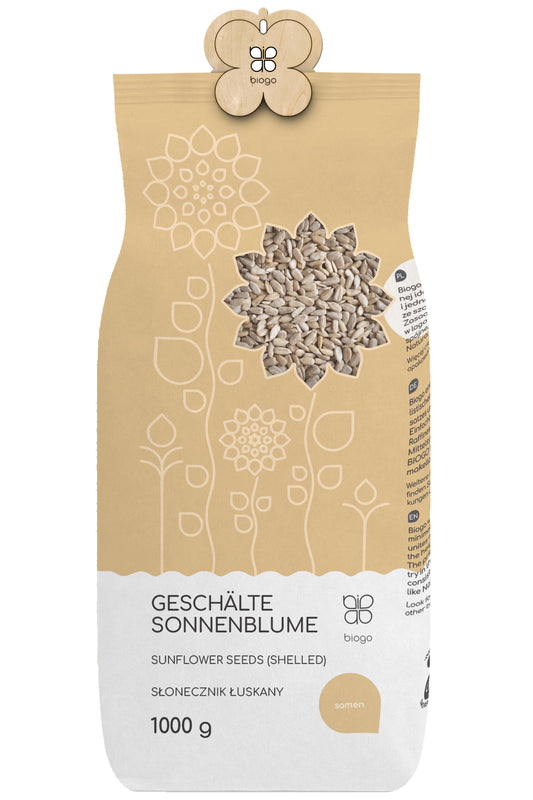
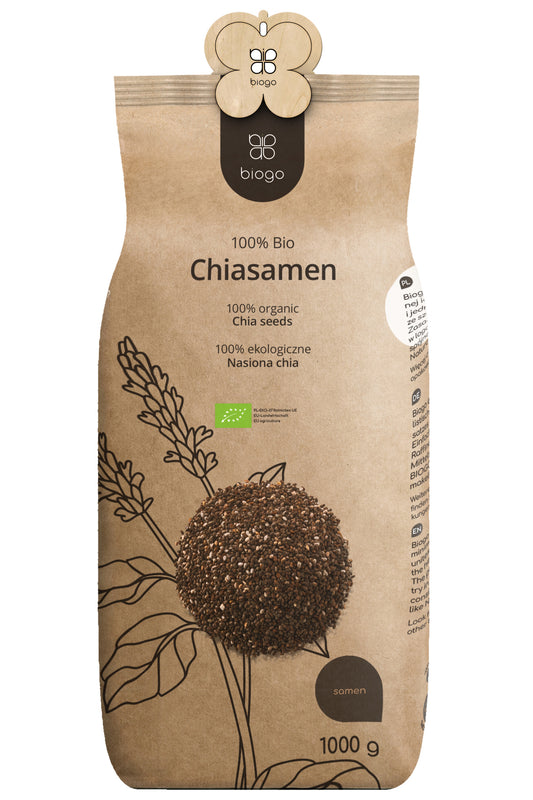
- Supplement oatmeal with flaxseeds, chia seeds or nuts.
- Eat fruit preferably as whole fruit rather than as juice.
- Fill at least a large portion of your plate with vegetables.
- Occasionally swap white rice for brown rice, buckwheat or legumes.
Increase your fiber intake gradually and drink enough fluids. A sudden large amount can cause bloating or abdominal discomfort in sensitive individuals.
Discover ingredients for balanced meals
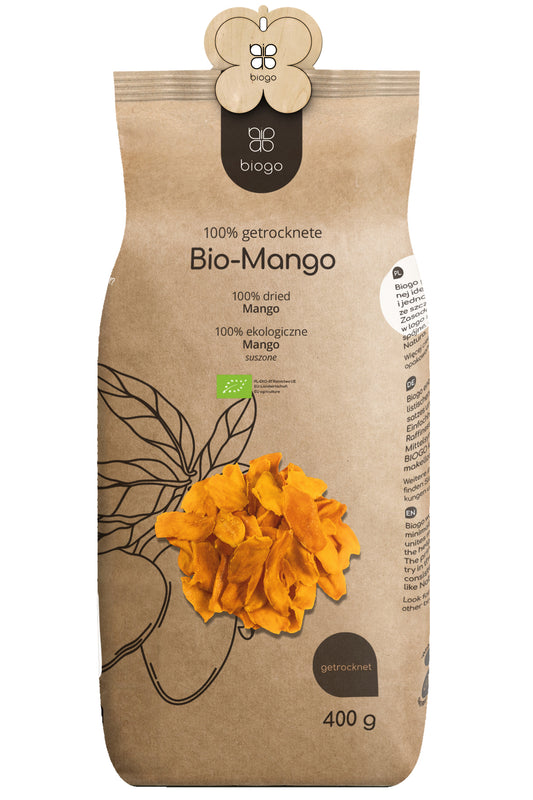
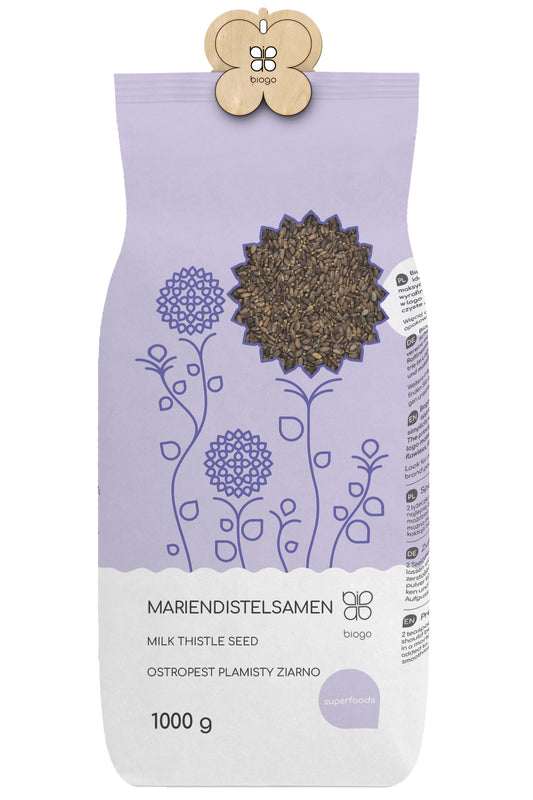
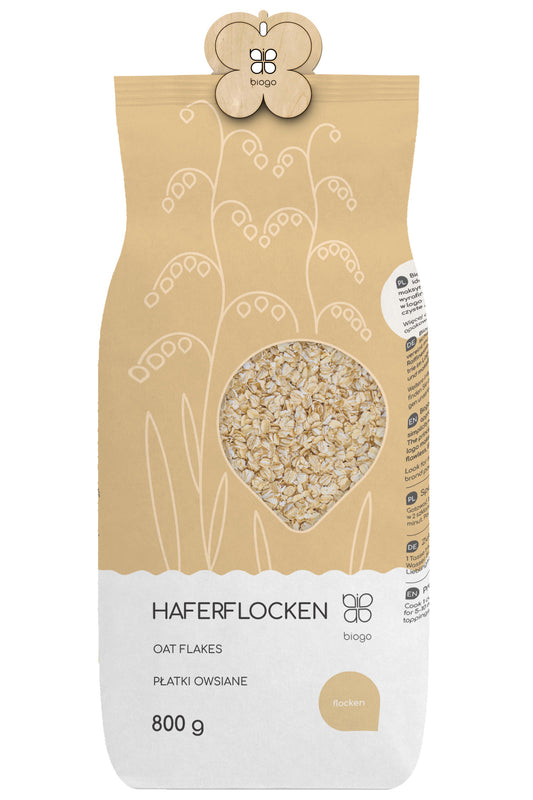
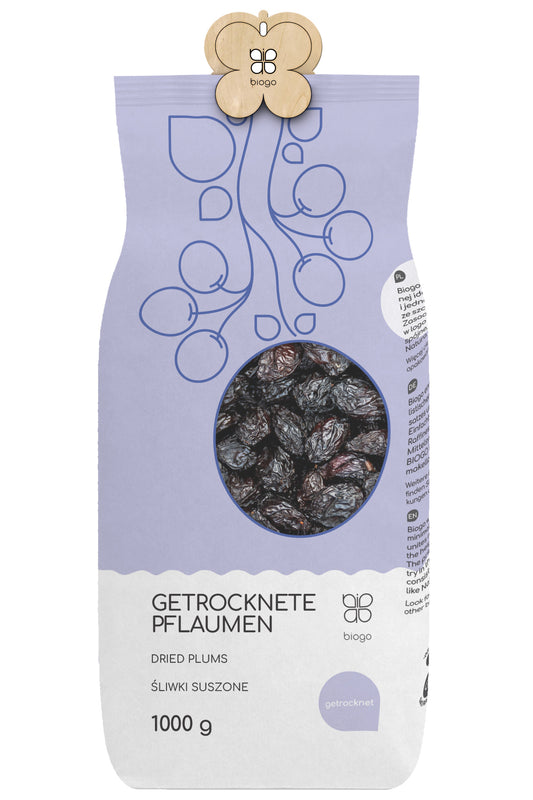
Discover selected foods for your everyday life at Biogo – from legumes and whole grains to nuts, seeds and natural ingredients.
Discover Biogo
Protein for longer satiety
Protein is often only associated with muscle building. In everyday life, however, it is also an important component of satiating meals.
A breakfast consisting of a sweet pastry, for example, provides mainly quickly available carbohydrates. If, on the other hand, you combine oatmeal with plain yogurt or soy yogurt, nuts, and seeds, the meal also contains protein and fat.
Suitable protein sources include:
- Lentils,
- chickpeas,
- Beans,
- Peas,
- Tofu and tempeh,
- Soy products,
- Eggs,
- Plain yogurt and quark,
- Fish,
- lean meat,
- Nuts and seeds.
Not every meal needs to be particularly high in protein. What matters is a balanced combination that matches your energy needs and eating pattern.
Why high-quality fats belong
Fat is not a food component you must generally avoid. It provides energy, contributes flavor, and helps with the absorption of fat-soluble vitamins.
Small amounts are often sufficient for a balanced meal:
- a tablespoon of nuts or seeds,
- some nut butter,
- a splash of olive oil,
- some avocado slices,
- a dressing with tahini.
However, more fat does not automatically mean a better blood sugar profile. Very high-fat meals can delay digestion and make the later glucose curve more complicated for people with diabetes. Those who use insulin should therefore discuss major changes in meal composition with their treatment team.
Does the order of eating matter?
Some studies suggest that the order of components in a meal can influence the blood sugar increase after eating.
In these cases, vegetables and protein were eaten first, while the carbohydrate-rich side dish came at the end. In the groups studied, the glucose increase after the meal was partly lower.
In everyday life, it could look like this:
- Start with salad or vegetables.
- Then eat the protein source.
- Consume bread, rice, pasta, or potatoes together with the rest of the meal.
This is not a must and not a substitute for an overall balanced diet. The study situation is also not equally transferable to every person and every meal. However, as a simple everyday strategy, the order can be tried.
Breakfast without a quick energy dip
Many typical breakfast products contain a lot of sugar or finely ground flour. These include sugary cereals, sweet pastries, white bread with jam, and fruit juices.
Better satiating combinations contain multiple nutrient groups.
Rolled oats with berries
Combine:
- rolled oats,
- natural yogurt or unsweetened plant-based drink,
- Berries,
- walnuts,
- ground flaxseed.
Whole grain bread with hummus
These go well with:
- tomatoes,
- cucumbers,
- bell peppers,
- sprouts,
- some pumpkin or sunflower seeds.
Natural yogurt with nuts
Instead of ready-made fruit yogurt, you can mix natural yogurt or an unsweetened plant-based alternative with fresh fruit, cinnamon, and nuts.
Savory breakfast
A vegetable stir-fry with egg or tofu is especially suitable if you prefer a savory breakfast. A small slice of whole grain bread complements the meal.
Ideas for lunch and dinner
lentil bowl
- leafy salad and roasted vegetables,
- green or brown lentils,
- brown rice or quinoa,
- tahini dressing,
- pumpkin seeds.
whole grain pasta with vegetables
- whole grain pasta,
- tomato sauce,
- zucchini and bell peppers,
- white beans or tofu,
- olive oil and herbs.
baked potatoes with herb quark
- potatoes with skin,
- herb quark or plant-based dip,
- large salad,
- roasted seeds.
chickpea curry
- chickpeas,
- broccoli, carrots, and spinach,
- spices,
- a smaller portion of brown rice,
- yogurt topping to taste.
vegetable stir-fry with tofu
- tofu or tempeh,
- mushrooms, cabbage, bell peppers, and onions,
- buckwheat or whole grain rice,
- Sesame.
Legumes are especially practical because they provide both carbohydrates, protein, and fiber. Studies show that partially replacing more blood sugar-affecting side dishes with legumes can reduce the glucose response after a meal.
Put together snacks cleverly
A snack is not automatically necessary. But if you get hungry between meals, you can combine two food groups.
Examples:
- apple with almond butter,
- berries with natural yogurt,
- vegetable sticks with hummus,
- pear with walnuts,
- crispbread with cream cheese or bean spread,
- roasted chickpeas,
- a small portion of unsweetened trail mix,
- Natural yogurt with flaxseed.
A fruit contains natural sugar, but also water, fiber, and other nutrients. Juice lacks part of this structure. That's why whole fruit is usually the better choice in everyday life.
Drinks and hidden sugar
Sugary drinks provide carbohydrates in liquid form and are barely filling. These include not only sodas, but also:
- energy drinks,
- sweetened iced teas,
- fruit juice drinks,
- flavored coffee drinks,
- sweetened plant-based drinks,
- Smoothies in large portions.
For everyday use, water, mineral water and unsweetened tea are suitable. You can add flavor with, for example:
- Lemon or lime slices,
- Cucumber,
- Berries,
- Mint,
- Ginger,
- unsweetened herbal and fruit teas.
Even pure fruit juice should be considered more of a treat and not as a regular thirst quencher.
1. Add instead of radically eliminating
Don't eat bread, rice or pasta in isolation. Add vegetables, protein, and a small source of fat.
2. Prefer minimally processed foods
The more processed and broken down a food is, the faster it can often be digested.
3. Choose whole grains more often
Pay attention to the ingredient list. A dark color alone does not make a bread whole grain bread.
4. Plan a protein component
Lentils, tofu, plain yogurt or eggs turn a small side dish into a complete meal.
5. Swap sugary drinks
This step often reduces sugar more than small changes to individual foods.
6. Move after eating
Even light exercise after a meal can support glucose metabolism. A short walk is completely sufficient for this.
7. Observe your own daily routine
Not everyone reacts identically to the same foods. Sleep, stress, exercise, portion size, and individual metabolic differences influence the response after eating.
What really matters
For a more stable energy level, you don't need complicated rules and don't have to avoid carbohydrates entirely. What matters is how you compose your meals.
Vegetables and other fiber-rich foods form the base. Add a suitable protein source, minimally processed carbohydrates, and a small portion of high-quality fat. This turns a quick snack into a meal that keeps you fuller longer and provides more steady energy.
If you have been diagnosed with diabetes, recurring hypoglycemia, or noticeable symptoms, general nutrition tips are not enough. Changes to your diet, especially the amount of carbohydrates, should then be coordinated with a doctor or a qualified nutrition professional.
Discover at BioGo fiber-rich grain products, legumes, nuts, seeds and other ingredients with which you can easily put together balanced meals.